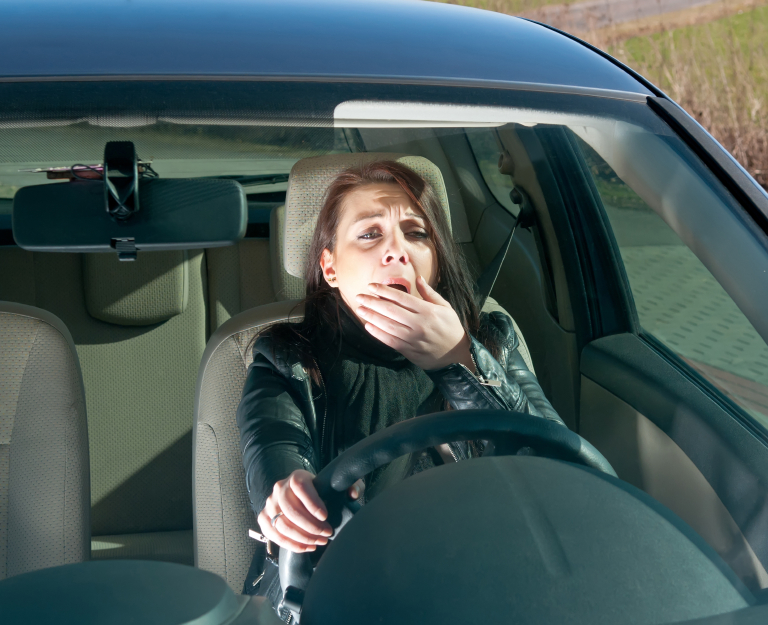
Driver fatigue contributes to thousands of collisions every year, yet it often goes unnoticed until it’s too late.
Compliance with drivers’ hours regulations is only one part of the solution—personal health, workload, journey planning and organisational culture all affect fatigue risk.
AI-powered in-cab monitoring can now detect eye movement, head position and signs of drowsiness, alerting drivers before concentration deteriorates.
Technology should support drivers, not replace good management. The most effective organisations combine driver coaching, journey planning, wellbeing initiatives and telematics.
Driver risk management is shifting from investigating collisions to preventing them through data and early intervention.
I notice TFL are rolling out anti-fatigue eye-tracking tech on London Buses.
Would you rather investigate an accident after it happens, or prevent it before it ever occurs?